
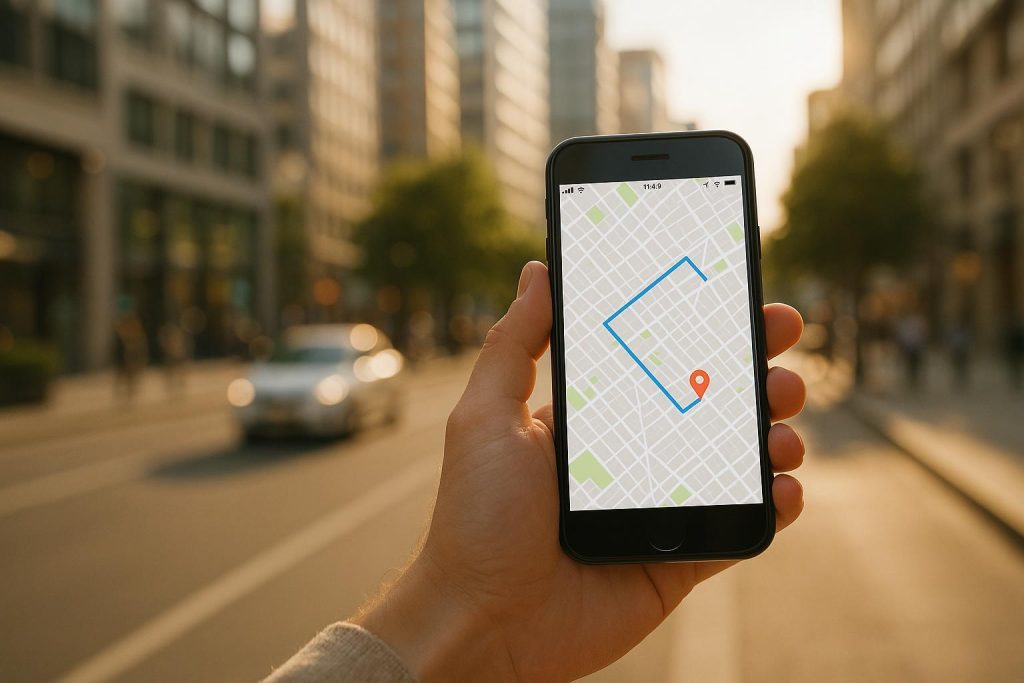
Understanding Map Ads and Their Role in Local Marketing
Map ads, also known as location-based ads, are digital advertisements that appear within online map platforms—most commonly Google Maps, but also Apple Maps and Waze. These ads are designed to spotlight businesses in a user’s immediate geographical area, making them a powerful tool for driving in-person visits, generating local brand awareness, and encouraging direct contact with potential customers. By placing a business’s branding, address, and contact information prominently on a map interface, map ads stand out to local users who may already have an intent to visit or contact a nearby establishment.
In today’s digitally driven world, people are constantly searching for nearby solutions on their smartphones. When someone types “coffee shop near me” or “best pizza in town,” they’re likely to look at a map for directions or proximity. At this exact moment of high purchase intent, map ads catch the user’s eye by displaying a sponsored location that’s relevant and conveniently located. For businesses that operate in a specific region or serve customers in a designated area, these ads provide a direct line to a ready-to-act audience. Whether you run a bakery that relies on foot traffic or a home services company offering repairs in a specific neighborhood, gaining visibility on the map can be a game-changer.
Beyond brick-and-mortar stores, map ads are also valuable for professionals like consultants and service providers who travel to clients. If your business thrives on being found quickly when someone needs your services, map ads can compress the time it takes for a prospective client to discover you. By blending a high-intent audience with a visual pin on a map interface, this advertising approach makes it easier than ever for potential customers to consider your business as their first stop. It’s a highly targeted form of advertising that leverages immediate trust: if a user knows you’re close by and relevant to their query, they’re more likely to click, call, or visit.
How Map Ads Work
The concept of map ads might sound self-explanatory at first, but there’s more going on behind the scenes. Most popular map ad solutions, such as Google Maps Ads, work through integrated advertising platforms—primarily Google Ads. When you set up a location extension for your ads, your business location becomes eligible to appear as a sponsored listing on Google Maps. This listing typically appears at the top of the local search results, carrying a small “Ad” label to differentiate it from organic map listings. When users tap on the listing, they’ll see additional details like your address, business hours, phone number, and directions.
The targeting features of map ads allow you to specify a geographic radius, ensuring your ads appear only to people physically located in or searching for services in your selected region. You can also select specific keywords to trigger the ads, alongside location-specific terms such as “near me” or neighborhood names. On top of that, you can set a budget, choose bidding strategies, and configure ad scheduling for controlled exposure. The main goal is to ensure that your shop, office, or service is among the first options a user sees when they’re actively seeking something local and relevant to your offerings.
Key Benefits of Running Map Ads
- Increased Visibility: An eye-catching, sponsored map listing places your business at the top of local results, allowing you to stand out from competitors who rely solely on organic listings.
- Targeted Local Audience: Because map ads focus specifically on users near your business or those searching for terms in your area, they reach potential customers who are most likely to become paying clients.
- Immediate Impact: When someone looks up a product or service you offer and sees your business pinned on the map, they can easily select directions, call, or visit your website—often resulting in quick conversions.
- Budget Control: Like other pay-per-click ads, you only pay when users interact with your ad. This ensures you’re spending your budget on people who take a tangible action, such as calling or clicking for directions.
- Location Extension Synergy: By pairing map ads with location extensions, you can enhance your standard search ads, giving prospective customers easy access to your physical address and real-time directions.
Tips for Creating Effective Map Ads
Crafting compelling map ads that genuinely reflect your location and entice potential customers requires attention to detail. Here are some strategies to consider:
- Keep Your Business Information Accurate: It sounds obvious, but too many businesses overlook small errors. Ensure your address, phone number, business category, and operating hours are up-to-date across all platforms. Consistency in this data increases consumer trust and boosts your local ranking, making you more visible in map searches.
- Leverage High-Quality Imagery: While map ads are primarily text-based with a pin on the map, attaching an appealing photo or logo where possible can improve overall user engagement. If your map listing is paired with images in your business profile, ensure those images reflect the quality of your products or location.
- Use Specific, Location-Focused Keywords: Marry your keyword strategy to the local search environment. Consider adding neighborhood names, local landmarks, or even colloquial phrases people might use. Detailed keyword targeting can make the difference between an ad that appears everywhere and one that converts because it focuses on users in your immediate region.
- Incorporate Compelling Calls to Action: A well-placed “Call Now” or “Get Directions” prompt can make a huge difference in whether a user decides to engage with your ad. For instance, an action-oriented CTA such as “Find out how we can improve your digital presence” feels organic and benefit-driven, especially if you provide local marketing services or specialized consults in a certain area.
- Monitor User Feedback: Keep an eye on reviews, questions, and other user-generated content tied to your business listing. Positive reviews can reinforce the credibility of your map ad, while consistently addressing negative feedback demonstrates responsiveness and good customer service.
Common Platforms and Tools for Map Ads
While Google Maps is the most recognized platform, Apple Maps, Waze, and Bing Places for Business each offer their own advertising options. Google Maps Ads remain widely popular due to Google’s robust search capabilities and market share. If you’re setting up a local campaign via Google Ads, you’ll still need to properly link and verify your Google Business Profile (formerly Google My Business) so your address, phone number, and other details are accurate.
Apple Maps does not have the same extensive advertising platform, but you can still optimize your location listing through Apple Business Connect. Meanwhile, Waze offers specialized location ads that can feature your brand logo and a “Takeover” ad format that appears when drivers are stopped in traffic. For businesses in high-traffic, commuter-friendly environments, Waze map ads can be particularly useful. Bing Places also provides a mechanism to list your business and run ads in conjunction with Microsoft Advertising. Though Bing’s market share might be smaller than Google’s, it can still be a profitable avenue for those looking to diversify or target specific audiences that prefer Microsoft’s ecosystem.
Common Mistakes to Avoid
Despite their effectiveness, map ads can be undercut by a few typical pitfalls. Being aware of these pitfalls can save you time and money:
- Incomplete or Outdated Business Profiles: A half-filled or inaccurate business profile can confuse potential customers. Always double-check your basics, such as phone numbers, addresses, and operating hours, to prevent any negative user experiences.
- Overly Broad Targeting: If your targeting radius is too large, you might waste ad spend on users who aren’t within a practical distance of your business. Aim to zero in on neighborhoods or regions that produce the most foot traffic or conversions for your particular offering.
- Ineffective Bidding Strategy: Many advertisers set their bids too low, resulting in minimal visibility, or too high, leading to wasted budget. Keeping an eye on cost-per-click (CPC) and adjusting your bids can help you find a sweet spot that’s cost-effective and generates a steady flow of leads.
- Neglecting to Track Conversions: Map ads often lead to phone calls or in-person visits, which can be harder to measure than online purchases. Use unique phone numbers or track directions requests to see how effectively your ad is driving real results.
How Map Ads Fit Into a Broader Local Marketing Strategy
No single advertising channel works in isolation, and map ads are no exception. When it comes to a holistic local marketing approach, combining map ads with other tactics can significantly boost your overall performance. For instance, pairing map ads with SEO strategies can improve how quickly users discover you—both in traditional search results and on map platforms. When someone sees your website near the top of a search results page, then notices a sponsored pin on the map interface, it reinforces trust and brand awareness.
Meanwhile, if you’re devising a broader Marketing Strategy, map ads can serve as one channel within a multi-layered plan. They can be supplemented by high-quality blog content, social media engagements, and email campaigns. In a best-case scenario, a user might read your blog, see an offer on social media, and later recall your brand when searching locally—only to find your map ad as a convenient direct route to your storefront. This full-funnel thinking creates cohesive touchpoints that guide prospects from initial awareness all the way to a transaction.
For businesses that are especially concerned with immediate, in-person visits—like restaurants, salons, or retail shops—map ads can act as the linchpin of your hyper-local marketing. You could even pair them with geofencing tactics or location-based push notifications if you have an app. The key is to maintain consistency in your messaging, brand visuals, and offers, so your presence on the map harmonizes with your presence in other digital channels.
Measuring the Success of Map Ads
It’s essential to track the performance of any advertising channel, and map ads are no different. Most platforms provide basic metrics such as impressions, clicks, and cost-per-click. However, local businesses often need more specific insights—like how many driving directions were requested or how many phone calls originated from the ad listing. By linking Google Ads and your Google Business Profile, you can track these conversions more effectively. If you want to dig even deeper into your user data, consider integrating Analytics tools to track behavior before, during, and after individuals discover your business.
An effective measurement framework will show you which keywords trigger the most direction requests, how much each lead is costing you, and whether certain hours or days of the week yield better results. This allows for iterative improvements: if you notice certain areas underperform, you can adjust your radius or targeting. Or if calls spike during specific times, you might tweak your ad schedule to concentrate on those high-traffic periods. Data-driven decision-making is at the heart of long-term advertising success, and map ads are no exception.
Conclusion
Map ads are a powerful way for local businesses to stand out, delivering a dynamic combination of visibility, geographic targeting, and user convenience. By placing a sponsored pin on the same interface that potential customers use to navigate their daily lives, map ads can effectively drive both foot traffic and direct contacts. Whether you’re a small storefront aiming to attract local shoppers or a service provider that thrives on neighborhood-level leads, map ads can significantly boost your presence in the digital landscape.
Like all advertising methods, they work best when integrated into a broader, strategy-first approach to marketing. From refining your business profile data to combining map ads with SEO or other channels, each piece of your marketing effort can reinforce the other. If you’re seeking to expand your reach, improve brand awareness, and guide more customers directly to your doorstep, map ads offer a targeted, cost-effective solution that complements ongoing digital marketing tactics. Start exploring map ads today, and discover a growth-driven path to making your local presence shine.
