
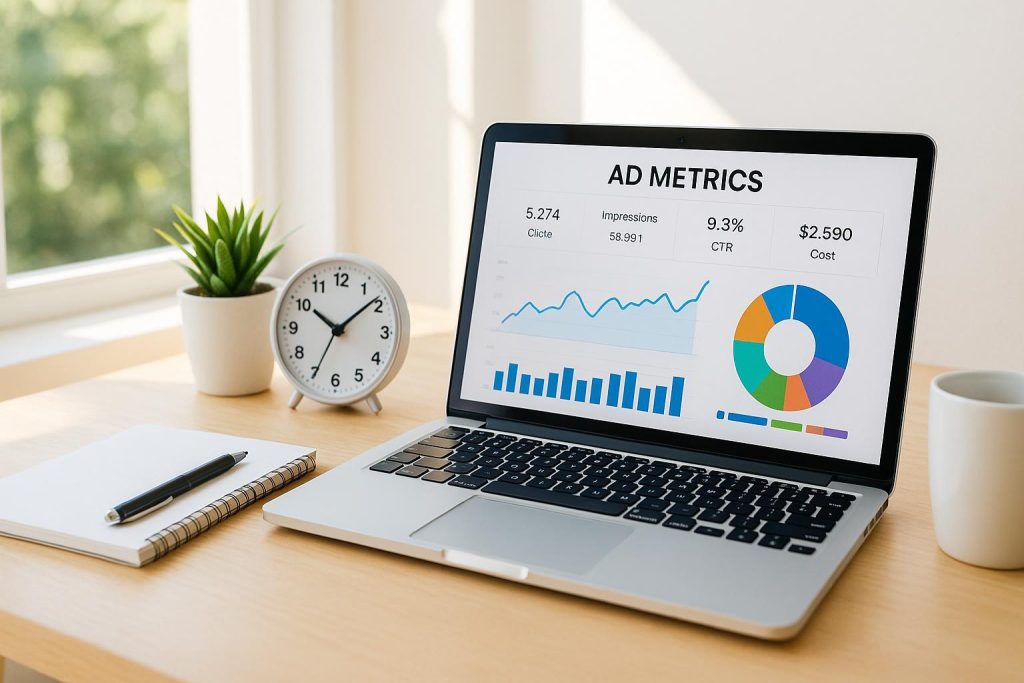
Understanding Pay Per Click Ads: Timeline and Factors That Influence Success
Pay Per Click (PPC) advertising can be one of the fastest ways to drive relevant traffic to your website, generating leads or sales without waiting months for organic rankings. Yet, a common question arises for business owners and marketers alike: How long does it actually take for PPC ads to work? While PPC is known for delivering quick results compared to other channels, there are various factors that influence how fast you see noticeable performance. Below, we’ll dive into the typical timeline you can expect, the main drivers behind PPC results, and how to optimize your campaigns to reach your goals faster and more sustainably.
Why PPC Advertising Is Often Quick to Launch
Unlike search engine optimization (SEO), which can require months of diligent on-site and off-site work to steadily climb in rankings, a Pay Per Click campaign can technically be up and running within a day. Platforms like Google Ads and Microsoft Advertising let you set up accounts, choose keywords, allocate a budget, and deploy ads relatively quickly. Because these platforms operate on an auction system, your visibility starts almost immediately as you bid on optimal positions for your ads.
However, getting your ads live does not necessarily mean you’ll see results (such as clicks, conversions, or return on ad spend) right away. The ability to set up a campaign within a matter of hours is a major advantage of PPC advertising, but the real measure of success is how quickly and consistently you see your desired outcomes—like more leads, purchases, or phone calls.
Initial Phase: Setting Up and Getting Approved
When you first launch a PPC campaign, you typically go through a short review process. Ad networks will check for compliance with their guidelines, making sure the content doesn’t violate any rules around prohibited products or misleading claims. Under normal conditions, this approval phase usually takes anywhere from a few hours to a full day. During especially high-volume periods or if your ad content falls into specific categories, the review may stretch a bit longer. Once your ad is approved, it’s ready to begin appearing for relevant searches or audiences, depending on your targeting parameters.
While ad approval can happen quite quickly, it’s the optimization that often requires patience. Simply going live doesn’t guarantee success. You’ll need to monitor your audience engagement, click-through rates (CTR), cost-per-click (CPC), and early conversion data to ensure you’re on track. Think of these initial days as a learning period—what many advertising platforms call the “learning phase”—during which performance might be unpredictable as the platform’s algorithms gather data on how your ads perform in different auctions.
Short-Term Results: What to Expect in the First Few Weeks
The earliest signs that a PPC campaign is working are usually in the form of impressions and clicks. You may see these almost immediately once your ads are approved and start showing. Conversions—such as form submissions, calls, or online purchases—might take more time to ramp up. If you’re running a lead-generation campaign, expect a few days or at least one to two weeks before you can confidently assess whether leads are coming in at a steady pace. Here’s a rough breakdown of what to anticipate during the first few weeks:
- Days 1–3: Ads go live, impressions and some clicks start rolling in, but conversion data might be limited or sporadic.
- Days 4–10: Enough data accumulates to analyze CTR trends, see which keywords are leading to the most engagement, and identify if your landing page is solid.
- Days 11–14: You begin to spot patterns in cost-per-click and cost-per-acquisition (CPA). You can make small adjustments to your bids, budgets, or ad variations to refine performance.
This initial period is crucial for gathering baseline metrics and making data-informed changes. Although you might see encouraging results sooner, it typically takes several weeks before you have enough significant data to make well-founded campaign decisions or declare the PPC results a success. However, for businesses used to other marketing methods with longer lead times, this can still feel quite fast.
The Ongoing Optimization Phase: Weeks to Months
Even though PPC campaigns can show early wins, ongoing refinement is key to sustaining and amplifying those wins. Over the next four to eight weeks, factors like ad testing, keyword tuning, and landing-page improvements come into play. Optimization might involve:
- Keyword Refinement: Identifying underperforming or irrelevant keywords and moving them out of your campaign while doubling down on high-converting terms.
- Budget Reallocation: Increasing spend on ad groups or campaigns that have a favorable CPA or return on ad spend (ROAS), and reducing spend on lagging segments.
- Ad Variation Testing: Trying out multiple versions of ad copy or creative to see which resonates best with your audience.
- Landing Page Improvements: Making changes to headlines, calls to action, or form fields based on analytical data or heatmap insights.
These changes typically yield incremental improvements over time, making your campaigns more cost-efficient and conversion-focused. During this stage, results become more predictable, but require ongoing monitoring to maintain momentum. This activity is often part of a bigger marketing strategy that ties PPC efforts into your broader business goals.
Key Factors Influencing PPC Timelines
The actual speed of seeing results can vary from business to business, and even campaign to campaign. A handful of factors can greatly influence your PPC timeline:
- Budget: Smaller budgets limit daily impressions and clicks, which slows down data collection and might delay conclusive insights. Higher budgets can accelerate data gathering—though you still want to spend wisely.
- Bidding Strategy: Automated bidding strategies (like Target CPA or Maximize Conversions) require a learning period that can last a couple of weeks, while manual bidding strategies can be adjusted more frequently, though they require more oversight.
- Competition: Highly competitive sectors may mean higher average CPC and require a more aggressive bidding strategy just to show up. Conversely, niche industries with lower competition can yield quicker results at a lower cost.
- Landing Page Quality: Even if your ads get plenty of clicks, a poorly optimized landing page can significantly delay conversions, as many visitors bounce without taking further action.
- Ad Relevance and Quality Score: On platforms like Google Ads, Quality Score affects your ad rankings and costs. The more relevant your ad is to the user’s search, the better your Quality Score—and the faster you might gain a steady foothold in the auction.
- Analytics Set Up: If you haven’t configured robust tracking, it can be challenging to know whether you’re truly seeing results. Solid data collection is crucial, and it’s why many businesses opt for proper analytics solutions right from the start. Without accurate conversion tracking, you can’t judge whether the traffic you’re paying for is performing as expected.
Measuring Success Beyond Initial Results
When people ask “How long does it take for PPC ads to work?” they often place emphasis on immediate leads or sales. Yet, short-term data doesn’t tell the whole story. Measuring how well your PPC campaigns align with long-term goals is equally important. For example, even if your early cost-per-click seems high, you may discover that those clicks eventually turn into valuable long-term customers, resulting in a strong lifetime value (LTV) that justifies an initial higher acquisition cost.
Penetrating new markets, gathering brand awareness, and building a reputation can also be worthwhile outcomes, even if they don’t directly convert into transactions right away. After a few months of continued optimization and campaign expansion, you’ll see patterns in which channels—whether it’s social media ads or search ads—deliver the best return. These insights can also inform other marketing efforts, such as email nurturing sequences or your overall brand messaging.
Common Pitfalls That Delay Results
Some advertisers wonder why, despite launching PPC with a decent budget, the results feel slower than expected. A few common pitfalls can stall progress:
- Unclear Goals: Without well-defined goals, you can end up collecting random clicks or leads that don’t translate into measurable success.
- Weak or Irrelevant Creative: Ad copy that doesn’t speak to your audience’s needs can lead to low CTRs and poor Quality Scores.
- Neglecting Mobile Optimization: If your landing pages display poorly on mobile devices, you could be significantly limiting conversions.
- Insufficient Testing: Relying on just one set of ads, targeting options, or keywords deprives you of valuable optimization insights.
- Skipping Strategy Alignment: PPC shouldn’t exist in a silo. Integrating your campaign into your broader growth-driven approach makes it more seamless and efficient.
What Can You Do to Speed Up Results?
If you’re aiming to see meaningful outcomes as soon as possible, consider these approaches:
- Start with Thorough Keyword Research: By selecting the most relevant keywords from the outset, you minimize wasted ad spend.
- Optimize Landing Pages: Make sure your page is highly relevant to the ad copy. A clear message matching user intent can accelerate conversions.
- Leverage Audience Targeting: Platforms allow for layering demographics, interests, or remarketing lists to reach the most receptive segments.
- Set Up Proper Analytics and Conversion Tracking: Tools like Google Analytics paired with dedicated analytics services can help you pinpoint what’s working—and what’s not—right from the start.
- Conduct A/B Testing: Run multiple ad variations to identify which resonates most. Constant testing can help you zero in on the messaging that sparks conversions.
- Regularly Review Search Terms: Check the search terms report in your PPC platform for irrelevant queries to exclude, preserving your budget for more valuable clicks.
Align PPC with a Broader Marketing Strategy
While PPC is powerful on its own, integrating it into a more comprehensive approach can multiply the benefits. For instance, maximizing your long-term gains often involves pairing PPC with SEO, social media campaigns, and strategic website design. By presenting a cohesive brand experience across channels, you create a sense of trust and consistency, which can speed up the path from first click to final conversion.
If you’re serious about ramping up your PPC and transforming clicks into actionable results, it’s wise to consider a holistic plan. A well-defined marketing strategy can ensure your PPC efforts play a complementary role alongside other brand-building and lead-generation activities, driving full-funnel success.
Final Thoughts on PPC Timelines
In many ways, PPC is a balance between seeing quick initial progress and implementing long-term planning to optimize conversions and return on investment. It’s important to remember that while ads can go live in a matter of hours, meaningful and reliable data about your return on ad spend or cost per lead won’t appear overnight. Typically, you’ll see initial traction within days, start refining within weeks, and gain deeper, more reliable insights over the course of a few months. Proper tracking, consistent testing, and targeted adjustments are what drive PPC’s real power as a conversion-focused, performance marketing channel. If your ultimate goal is a scalable solution that yields measurable results, upgrading your PPC efforts should be approached with patience and consistent refinement.
Recognizing this balance can save you from unrealistic expectations and frustration. Stay open to experimentation, refine with data, and align each campaign with your larger business objectives. In doing so, you’ll not only see faster results but also pave the way for a more sustainable, conversion-focused roadmap. After all, the question isn’t just how fast you can see a few clicks, but how quickly you can convert those clicks into genuine, quantifiable success for your organization.
