
Understanding Pay Per Click (PPC) Targeting for Effective Campaigns
Pay Per Click (PPC) advertising can be a tremendous driver of measurable results for businesses looking to boost their digital visibility, attract new leads, or promote specific offers. At the core of PPC is the concept of targeting: selecting the right audience, at the right time, with the most relevant advertising possible. By tailoring your ads to specific demographics, interests, and intent, you can maximize your return on ad spend and focus on conversions. In this comprehensive overview, you’ll learn the essentials of PPC targeting, why it matters, and how to make it work for you.
Overview of PPC Targeting
PPC targeting is the process of ensuring your ads reach users who are most likely to convert. The beauty of PPC platforms, such as Google Ads or Microsoft Advertising, is that they allow you to set parameters for your campaigns so that you can show ads to the desired audience. Rather than casting a wide net, PPC advertising can be selective and strategic. When done effectively, it saves budget, improves campaign performance, and leads to more valuable clicks. Below, we’ll explore various targeting methods so you can mix and match them to create campaigns that align with your goals.
1. Keyword Targeting
At the heart of most search-based PPC campaigns is keyword targeting. You select specific words and phrases that potential customers might type into a search engine when they’re looking for products, services, or information relevant to your business.
- Match Types: Platforms typically offer different match types, such as exact match, phrase match, and broad match, each offering a varying degree of flexibility. Using exact match ensures that your ad only appears when users type in your keyword verbatim, while broad match allows for more variations on that term.
- Negative Keywords: Along with your target keywords, it’s crucial to add negative keywords—unwanted terms that you don’t want your ads to appear for. For example, if you sell premium software, you might list “free download” as a negative keyword to avoid attracting irrelevant inquiries.
- Long-Tail Keywords: These are more specific queries, often containing multiple words. Though their search volume tends to be lower, long-tail keywords can yield higher conversion rates because they’re more precise and indicative of user intent.
2. Audience Targeting
Audience targeting allows you to direct your ads to specific groups of people based on shared characteristics, behaviors, or interests. This approach is powerful because it helps you connect with users who have shown a predisposition to your business or a product like yours.
- Demographic Targeting: Demographic filters like age, gender, household income, or parental status can be used to zero in on the most suitable audience—especially if your product or service is relevant to a particular demographic.
- Interest and Affinity Targeting: Some platforms allow you to show ads to users who have specific interests, lifestyles, or habits. For instance, if you offer home renovation services, you could target users who have an interest in interior design.
- In-Market Audiences: These are groups of users who are actively researching and considering buying a product or service similar to yours. Targeting in-market audiences can be an excellent way to reach potential customers at the moment they’re getting ready to purchase.
- Remarketing (Retargeting): Remarketing campaigns target users who have previously visited your website or engaged with your content. If someone added a product to their shopping cart or clicked around your services page but didn’t convert, you can serve them ads reminding them to come back and complete their purchase or inquiry.
3. Geographic Targeting
Geographic (geo) targeting lets you focus ads on specific locations, from entire countries to individual postal codes. You can tailor your reach to areas where your products or services are either available or in high demand.
- Radius Targeting: Sometimes known as “Proximity Targeting,” radius targeting allows you to specify a distance around your business’s physical location. This is particularly beneficial for local shops or service providers aiming to drive foot traffic.
- Location Exclusions: Similar to negative keywords, you can exclude certain regions that aren’t relevant to your business. This ensures you don’t waste ad spend on unwarranted clicks.
- Regional Promotions: If you run region-specific promotions—like a seasonal sale in one city—a geo-targeted PPC campaign can help you display offers only to people in that location.
4. Device Targeting
People access the internet through different devices: desktop computers, laptops, tablets, and smartphones. Device targeting allows you to set custom bids or exclusions depending on the devices your audience is likely to use.
- Desktop vs. Mobile: You might find that customers on mobile devices convert more frequently or that desktop users spend more time researching before making a decision. Adjusting your bids and budgets helps optimize performance on the devices that yield the highest return.
- App vs. Browser Audience: Some platforms provide campaign settings specifically for in-app ads, which can be useful if your audience spends a lot of time on mobile apps.
5. Time-Based Targeting (Dayparting)
Dayparting means scheduling your ads to appear at specific times of the day or days of the week. If you know your potential clients are more active during certain hours, or if your support team is only available at specific times, you can schedule your ads around that window.
6. Combining Targeting Methods
Most businesses find that the best PPC results arise from combining different targeting methods. For instance, you could pair keyword targeting with remarketing to re-engage previous site visitors who search for similar products. Or combine geo-targeting with demographic filters if you only serve a specialized age group within a certain region. The key is to test different approaches, measure the outcomes (click-through rate, conversion rate, etc.), and refine over time.
Measuring the Success of Your Targeting
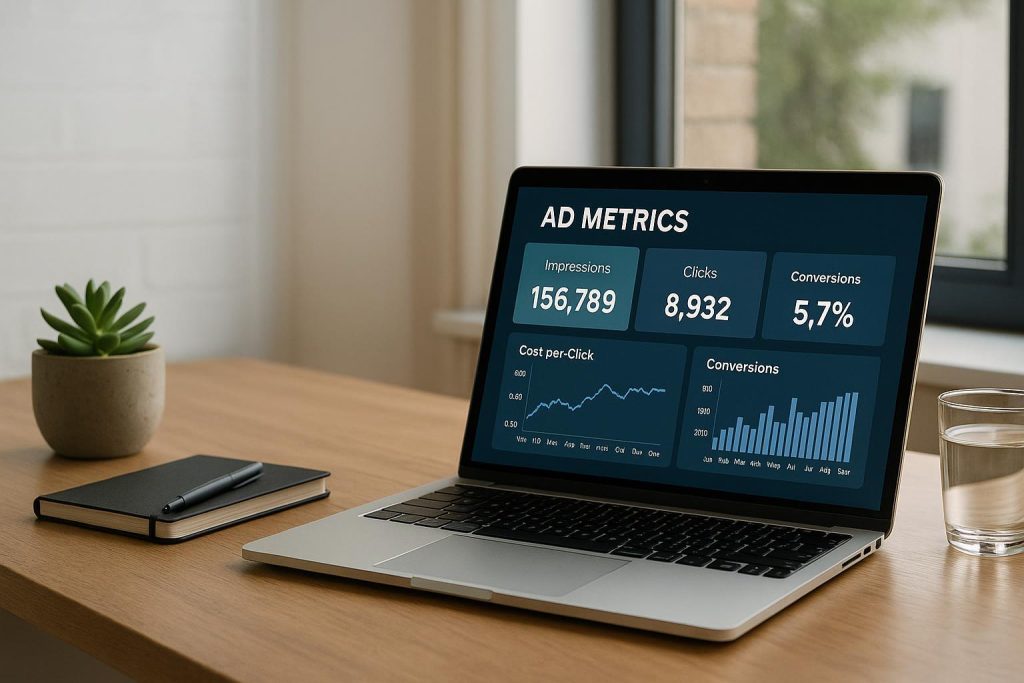
An integral part of PPC success is consistent measurement and data analysis. Understanding Analytics is essential for refining targeting options. Look at which keywords drive the most conversions, which cities bring the highest return, or which demographic group interacts the most with your ads. You can then narrow down your targeting to areas that deliver stronger results and optimize your strategy accordingly. If you need help reviewing analytics or diving deeper into your traffic metrics, you can learn more about Analytics approaches that help clarify the data.
Consider the following metrics when measuring targeting success:
- Click-Through Rate (CTR): A higher CTR can indicate that your ads are well-targeted and relevant to the search query or audience interest.
- Conversion Rate (CVR): Ultimately, you want users to take the desired action—buy a product, fill out a lead form, or sign up for a newsletter. A strong conversion rate typically signals that your targeting methods are effectively reaching the right audience.
- Cost Per Acquisition (CPA): Keeping an eye on how much each lead or sale costs is vital. Good targeting often translates to a lower CPA because you waste fewer clicks.
- Return on Ad Spend (ROAS): ROAS reveals how much revenue you bring in for each dollar spent on advertising. Optimizing targeting can significantly increase your ROAS.
Integration with a Broader Marketing Strategy
Targeting within PPC is most effective when it’s not done in isolation. A holistic Marketing Strategy approach connects PPC with SEO, social media advertising, and other channels. For instance, SEO can complement PPC by attracting organic site visitors, while social media campaigns can help raise brand awareness and build remarketing lists. When your marketing efforts function cohesively, you can create a unified user experience, guiding potential customers along the entire funnel.
Moreover, your Website Design plays a role in PPC targeting success. After all, there’s no point directing carefully selected audiences to a slow-loading or confusing landing page. Ensuring that each click leads to a seamless and conversion-focused user experience is critical. Good design and well-structured landing pages help direct the user toward the desired action instead of letting them bounce away.
Practical Tips for Improving PPC Targeting
- Conduct Research: Before you choose keywords or audiences, investigate your market. Understand your customers’ pain points and goals and reflect those insights in your keyword and messaging.
- Test and Iterate: PPC targeting is rarely perfect right from the start. Use A/B tests for ad creatives, experiment with match types, and collect data to discover which approach yields the best results.
- Use Negative Keywords: This is a recurring yet critical step. Continue adding irrelevant terms to your negative keyword list to eliminate unwanted clicks and keep your ads highly relevant.
- Monitor and Adjust Bids: You may discover certain demographics, locations, or device types convert better than others. Adjust your bids upwards for these profitable segments to capture more traffic and reduce wasted spend.
- Refresh Ads and Creatives: User behaviors can shift. Keep an eye on performance metrics, and consider refreshing ad copy or creatives periodically to maintain engagement.
The Value of Refined Targeting
PPC targeting is more than a box you check when setting up an ad—it’s a dynamic and strategic component of effective digital advertising. The more refined your targeting methods are, the better the alignment between your content and your audience’s expectations. The result is often improved brand visibility, higher-quality leads, and an overall boost in conversions. Controlling who sees your ad also protects your marketing budget, ensuring that you only pay for clicks from those most likely to become customers.
Pairing Targeting with Ongoing Optimization
Targeting isn’t a one-and-done exercise. Market trends shift, user behavior evolves, and new features roll out regularly. A winning approach involves continually revisiting your targeting parameters, analyzing results, and making changes where necessary. Whether it’s adjusting your dayparting schedules, adding keywords, or experimenting with new audience segments, consistent optimization allows you to grow and refine your campaigns.
For a fully integrated approach, consider exploring other facets of marketing that strengthen your PPC efforts. Developing brand consistency through Branding can enhance ad recognition. Engaging on Social Media can generate awareness that feeds back into your retargeting lists. By coordinating multiple channels, each piece of the puzzle supports the others.
Conclusion: Achieve Better Results with Targeted PPC
Effective PPC targeting empowers you to focus your ads on the people most likely to benefit from your products or services, thereby improving the overall return on your marketing investment. By thoughtfully using keywords, audiences, geographic filters, devices, and time-based scheduling, you can reach the right person at the right time. Coupled with optimized landing pages, clear insights from Analytics, and a well-structured strategy, your PPC campaigns can drive growth and measurable results.
Whether you’re just starting out or looking to enhance your existing campaigns, remember that PPC targeting involves a cycle of research, execution, measurement, and refinement. Stay open to trying new targeting strategies, keep your data fresh, and always watch for patterns that signal the need for optimization. By doing so, you’ll stay ahead of the competition and ensure that every click is as valuable as possible. If you’d like to build a strategy-first approach to marketing, consider how a broader focus on planning and integration can elevate your PPC efforts and help you make the most of your advertising budget.
